
Animal Dentistry in Woolgoolga
Providing veterinary care in Woolgoolga, with experienced clinicians, modern diagnostic equipment and clear guidance to support your pet’s health at every stage.
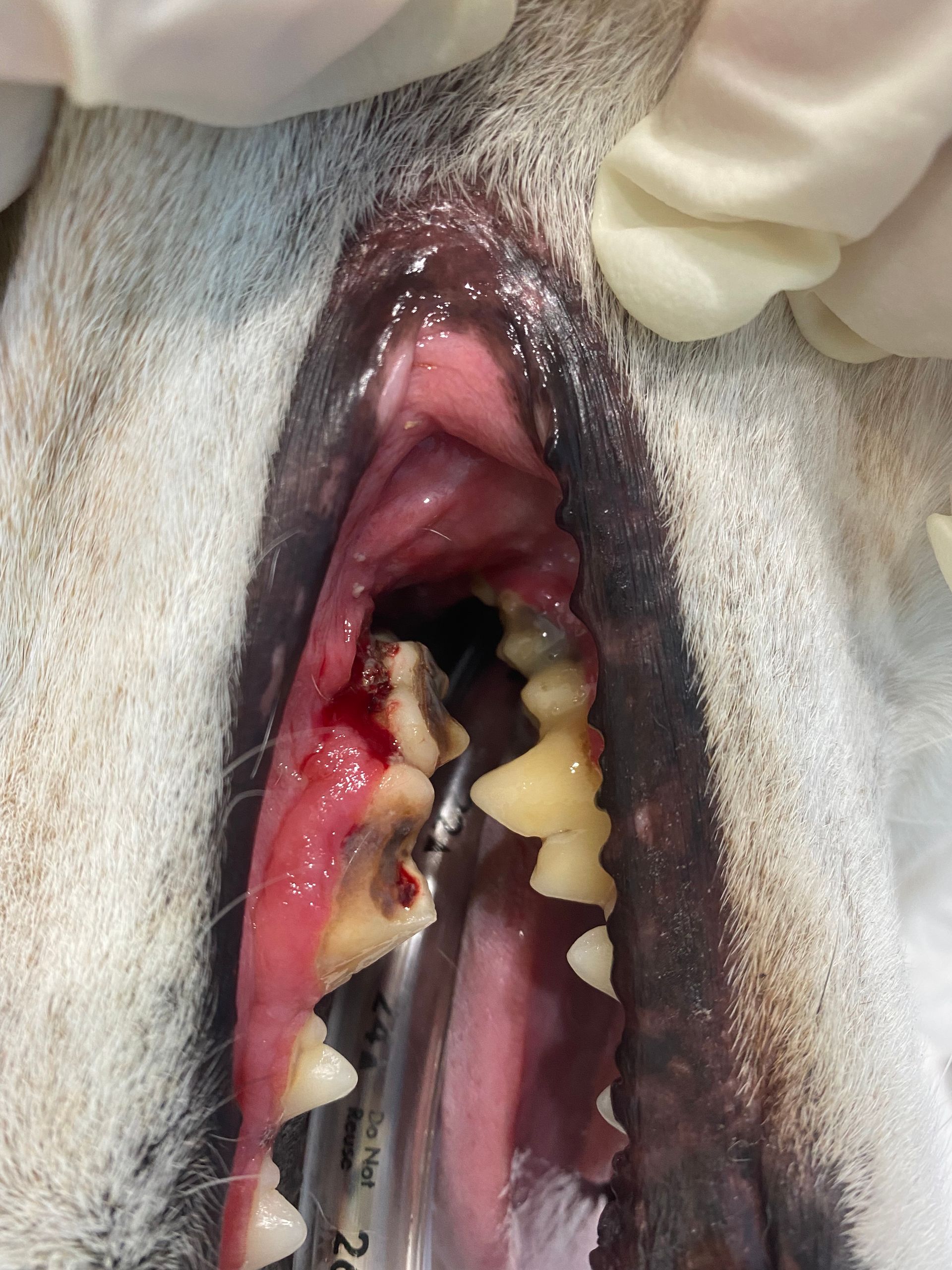

Helping Pets Maintain Healthy Teeth
Dental disease is one of the most common health concerns affecting dogs and cats as they age. At Blue & White Vet Surgery in Woolgoolga, we provide animal dentistry to help detect and manage dental issues before they begin to impact your pet’s comfort and well-being.
Plaque and tartar can build up gradually on the teeth, which may lead to gum disease, infection and pain if left untreated. Because many pets continue eating normally even when experiencing dental discomfort, these problems can sometimes go unnoticed by owners. Regular dental checks allow our veterinarians to examine the teeth and gums closely and identify early signs of oral disease. Some common signs that a pet may be experiencing dental problems include:
- Persistent bad breath or inflamed gums
- Difficulty chewing, drooling or reduced interest in food
Veterinary dental care focuses on identifying these issues early and providing appropriate treatment where needed. Professional cleaning can help remove plaque and tartar buildup, while oral examinations allow veterinarians to assess the health of the gums and teeth. Addressing dental concerns early can help prevent discomfort and protect your pet’s long-term health. Contact Blue & White Vet Surgery on (02) 6654 2771 to book an appointment.

Professional Cleaning & Ongoing Oral Care
Veterinary dental procedures involve more than simply cleaning a pet’s teeth. During a dental appointment, our veterinarians can examine the entire mouth, including areas beneath the gum line where disease may develop. Professional cleaning helps remove hardened tartar and plaque that brushing alone cannot eliminate. In some cases, additional treatment may be recommended if teeth are damaged or infection is present.
Preventative dental care at home also plays an important role in maintaining oral health between veterinary visits. Brushing your pet’s teeth, using dental-friendly diets or treats and scheduling regular veterinary check-ups can all help reduce plaque buildup over time. If you have concerns about your pet’s dental health or would like advice on preventative care, explore our services or contact our team for guidance.
Detailed Oral Exams
Preventative Dental Care
Gentle Handling

Contact Us
Have questions about your pet’s dental health or need to book an appointment? Complete the form below and our team will respond as soon as possible.
Contact Us
Thank you for contacting Blue & White Vet Surgery.
We will be in touch soon.
Please try again later.

FAQ
How can dental disease affect a pet’s overall health?
Dental disease does not only affect the mouth. When plaque and tartar build up on the teeth, bacteria can irritate the gums and lead to infection. Over time, this may cause pain, tooth loss and inflammation in the surrounding tissues. In some cases, bacteria from severe dental disease may enter the bloodstream and affect other organs. Regular dental examinations can help identify problems early and support a pet’s overall health.
What are common signs that a pet may have dental problems?
Pets often show subtle signs when experiencing dental discomfort. Persistent bad breath, swollen or bleeding gums and yellow or brown buildup on the teeth can indicate dental disease. Some pets may also drool more than usual, chew on one side of the mouth or show less interest in food. Behavioural changes such as irritability or reluctance to play can sometimes occur if oral pain is present. A veterinary examination can help determine whether dental treatment may be needed.
Should I brush my pet’s teeth?
Brushing your pet’s teeth can help maintain good dental hygiene and reduce plaque buildup. Regular brushing may also help lower the risk of gum disease and bad breath over time. While daily brushing can be helpful, some pets may only need their teeth brushed a few times each week. It’s important to use toothpaste designed specifically for pets, as human toothpaste is not safe for animals. Your veterinarian can also advise on other ways to support your pet’s dental health.



