
Microchipping in Woolgoolga
Providing veterinary care in Woolgoolga, with experienced clinicians, modern diagnostic equipment and clear guidance to support your pet’s health at every stage.
Permanent Identification for Your Pet’s Safety
Losing a pet can be a stressful experience for any owner. At Blue & White Vet Surgery, we provide microchipping to help improve the chances of pets being reunited with their families if they ever become lost.
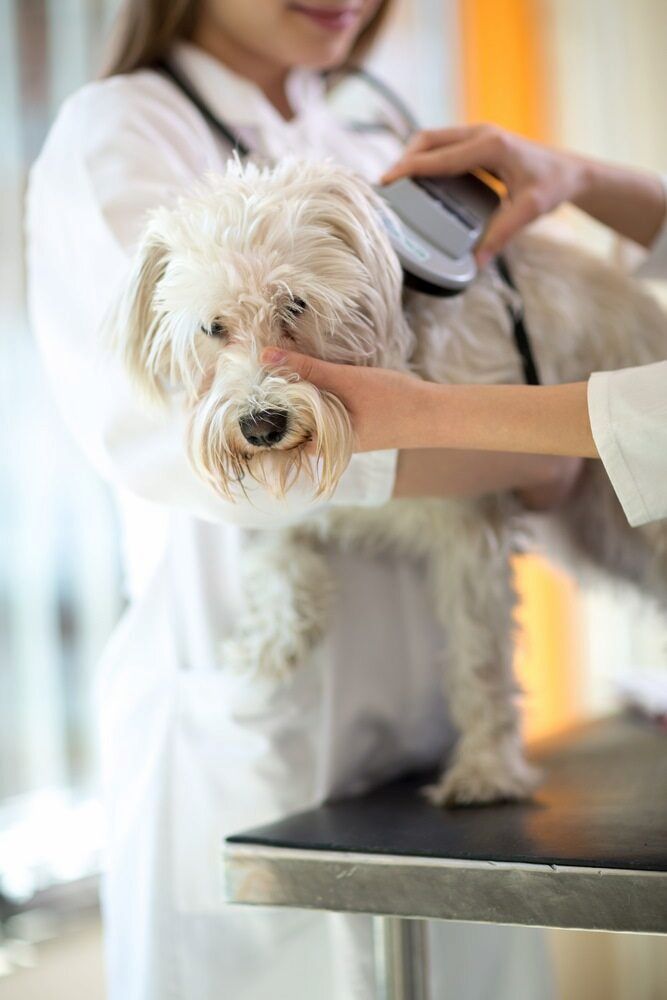
Microchipping involves placing a very small identification chip under the pet’s skin, usually between the shoulder blades. The chip contains a unique identification number that can be scanned by veterinarians, animal shelters or councils to access the owner’s contact details through a registered database. Because the chip stays with the pet for life, it offers long-term identification that collars and tags alone may not provide. Microchipping helps with:
- Permanent identification linked to a registered pet database
- Improved chances of lost pets being returned to their owners
The procedure is quick and is often completed during a routine veterinary visit. After the chip is implanted, it is important for owners to ensure their contact details remain current on the registration database so pets can be identified if they are found. Microchipping is commonly recommended for both dogs and cats and may also be required under local regulations. To arrange microchipping in Woolgoolga, contact our team at Blue & White Vet Surgery on (02) 6654 2771 to book an appointment.

The Procedure with Lifelong Benefits
At Blue & White Vet Surgery, microchipping is carried out by trained veterinary professionals using established procedures designed to keep pets comfortable. The chip itself is very small and is placed just beneath the skin using a sterile applicator, similar to a routine vaccination. Each chip contains a unique identification number that can be read with a handheld scanner used by veterinary clinics, animal shelters and councils. Once scanned, the number links to the pet owner’s contact details stored in a secure registration database.
While microchipping does not prevent a pet from becoming lost, it can help to provide a reliable way for pets to be identified and returned if they are found. If you would like advice about identification options or preventative pet care, explore our services or contact our team to learn more.
Secure Pet Identification
Gentle Veterinary Handling
Local Community

Contact Us
Have a question about microchipping or need to arrange an appointment? Complete the form below and our team will respond shortly.
Contact Us
Thank you for contacting Blue & White Vet Surgery.
We will be in touch soon.
Please try again later.

FAQ
How does microchipping help reunite lost pets with their owners?
Microchipping provides permanent identification that can help lost pets be traced back to their owners. Each chip contains a unique identification number that can be scanned by veterinarians, animal shelters or local councils. When the chip is scanned, the number links to a registered database containing the owner’s contact details. This allows the organisation that found the pet to contact the owner directly. Keeping registration information up to date is important so the system works effectively if a pet is found.
Is microchipping safe for dogs and cats?
Microchipping is widely used as a method of permanent pet identification and is generally considered a safe procedure. The chip itself is very small and is placed just under the skin using a sterile applicator. The process is similar to receiving an injection and is typically completed quickly. Most pets tolerate the procedure well and are able to return to normal activities shortly afterwards. A veterinarian can provide guidance on the procedure and answer questions about pet identification.
Is microchipping required for pets in Australia?
In many parts of Australia, microchipping is required under local animal management regulations, particularly for dogs and cats. The exact requirements can vary depending on the state or local council area. Microchipping may be required before a pet is sold, adopted or registered with the council. These regulations are designed to support responsible pet ownership and help lost animals be returned to their homes. Pet owners can check with their local council to confirm specific requirements in their area.



