
Senior Pet Care in Woolgoolga
Providing veterinary care in Woolgoolga, with experienced clinicians, modern diagnostic equipment and clear guidance to support your pet’s health at every stage.
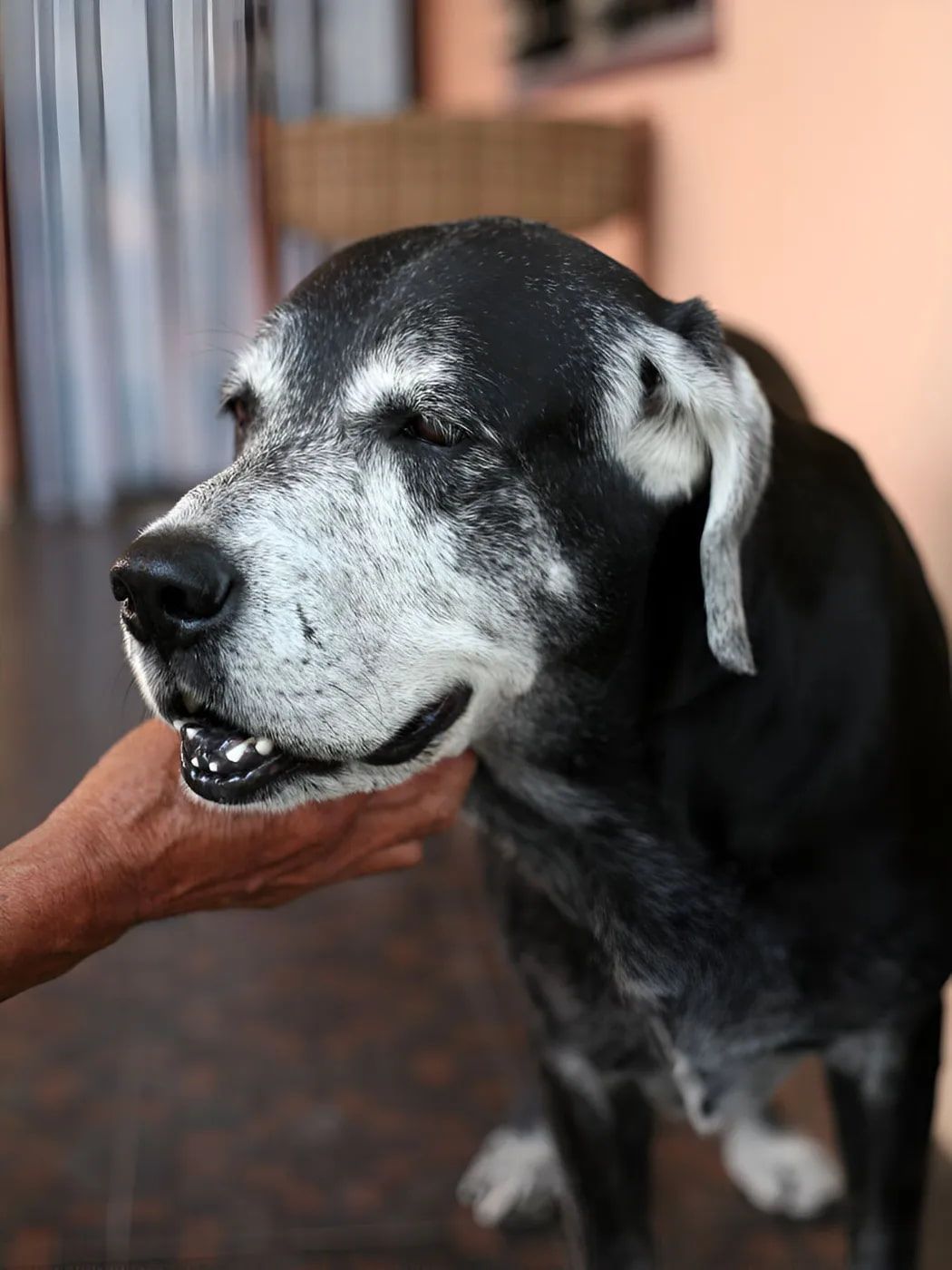

Gentle Support for Ageing Pets
As pets grow older, it’s natural for their energy levels, mobility and daily habits to begin changing. At Blue & White Vet Surgery, we provide senior pet care in Woolgoolga designed to help older pets stay comfortable and maintain their quality of life. Ageing animals may experience conditions such as joint stiffness, weight changes or reduced activity, which can sometimes develop gradually.
Regular veterinary monitoring allows these changes to be assessed early so owners can better understand what their pet needs as they age. Our approach focuses on careful observation, practical guidance and supportive care to help pets remain happy and comfortable in their senior years. Senior pet care can help with:
- Monitoring mobility, weight & behaviour as pets grow older
- Guidance on diet, lifestyle adjustments & ongoing wellbeing
Older pets may benefit from more frequent check-ups so subtle changes can be monitored over time. During these visits, our veterinarians can review your pet’s overall health and discuss any concerns you may have noticed at home. Early attention to mobility or health changes can help pets remain active and comfortable for longer. To arrange senior pet care in Woolgoolga, contact Blue & White Vet Surgery on (02) 6654 2771 to book an appointment.

Managing Arthritis & Age-Related Changes
Arthritis and joint stiffness are common in older dogs and cats, and these conditions can gradually affect mobility and comfort. Senior pet care often focuses on recognising early signs of joint discomfort so supportive care can begin sooner rather than later. During consultations, our veterinarians may assess mobility, joint flexibility and overall body condition while discussing any changes noticed at home. We find these conversations help build a clearer picture of how ageing may be affecting a pet’s daily movement and activity.
Managing arthritis often involves a combination of lifestyle adjustments and ongoing veterinary guidance. Maintaining a healthy weight, providing balanced nutrition and encouraging gentle, low-impact exercise can help reduce strain on ageing joints. Small changes at home, such as supportive bedding, easier access to resting areas and warm, comfortable sleeping spaces may also help pets move more comfortably.
Regular check-ups allow our veterinarians to monitor changes over time and recommend appropriate support if needed. If you’ve noticed your pet becoming slower to stand, less active or showing signs of stiffness, a veterinary consultation can help determine ways to support their comfort and quality of life.
Arthritis Care Support
Tailored Ageing Plans
Ongoing Health Monitoring

Contact Us
Have questions about caring for an older pet or need to book a consultation? Complete the form below and our team will get back to you shortly.
Contact Us
Thank you for contacting Blue & White Vet Surgery.
We will be in touch soon.
Please try again later.

FAQ
When is a pet considered a senior?
The age at which a pet is considered “senior” can vary depending on species, breed and size. Many dogs and cats begin entering their senior years around seven years of age, although larger dog breeds may age more quickly. As pets grow older, their bodies can undergo gradual changes that affect mobility, energy levels and metabolism. These changes are a natural part of ageing, but they may require adjustments to diet, exercise and veterinary care. Regular veterinary check-ups can help monitor these changes and support a pet’s ongoing wellbeing.
What health issues are common in senior pets?
Older pets may experience a range of age-related health concerns as they grow older. Common conditions can include arthritis, dental disease, weight changes and reduced vision or hearing. Some senior animals may also develop chronic conditions such as kidney disease or heart problems. Because many of these conditions develop gradually, early signs can sometimes be subtle. Routine veterinary assessments can help identify potential concerns and allow for appropriate monitoring or management.
How can pet owners support an ageing pet at home?
Simple adjustments at home can make a significant difference to an older pet’s comfort and mobility. Providing soft, supportive bedding and easy access to resting areas can help reduce strain on joints. Maintaining a balanced diet and healthy weight may also support joint health and overall well-being. Gentle exercise, such as short walks or light play, can help keep senior pets active without overexertion. Observing changes in behaviour or movement can also help identify when veterinary advice may be helpful.



