
Pet Ultrasound in Woolgoolga
Providing veterinary care in Woolgoolga, with experienced clinicians, modern diagnostic equipment and clear guidance to support your pet’s health at every stage.
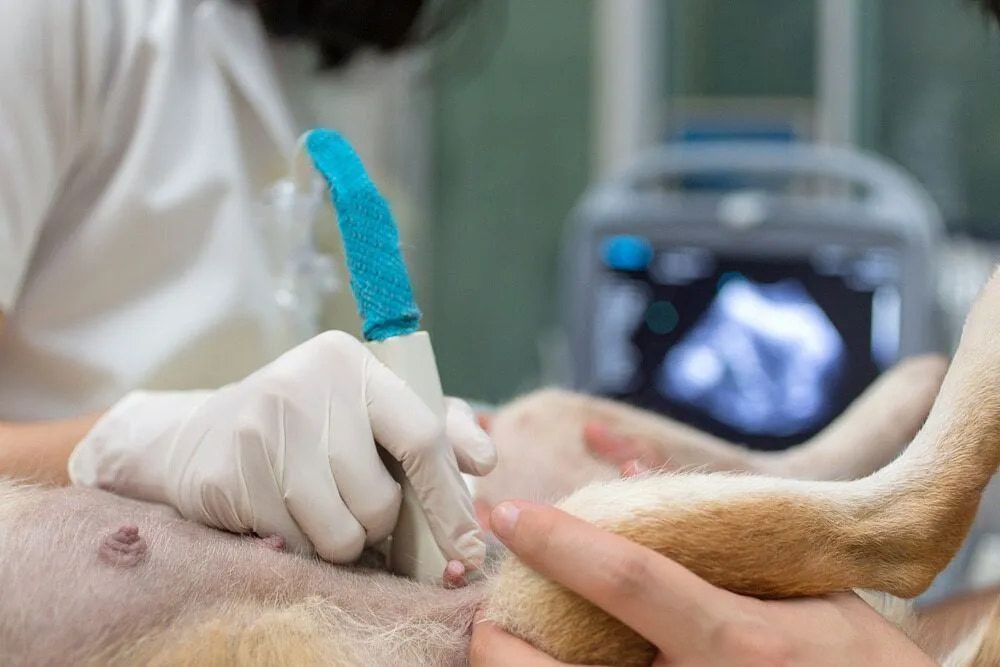

Ultrasound Imaging for Pets
When a pet develops symptoms that are difficult to explain through a physical exam alone, diagnostic imaging can provide valuable insight. At Blue & White Vet Surgery in Woolgoolga, we provide pet ultrasounds to help examine organs and internal tissues in a gentle, non-invasive way.
Ultrasound imaging uses sound waves to create detailed pictures of the body in real time, allowing veterinarians to assess how certain organs are functioning. This can be especially helpful when pets show signs such as abdominal discomfort, changes in appetite or unexplained illness. By observing internal structures more closely, veterinarians can gather information that helps guide further testing or treatment decisions.
Ultrasounds may be recommended when investigating concerns such as:
- Digestive symptoms, abdominal discomfort or unexplained illness
- Changes affecting internal organs such as the liver, kidneys or bladder
Because ultrasound allows veterinarians to see inside the body without surgery, it can play an important role in identifying the cause of certain health concerns. The images gathered during the scan may help determine whether additional tests or treatments are needed. Ultrasound can also assist with monitoring ongoing conditions or evaluating internal structures more closely. Contact our team on (02) 6654 2771 to arrange an ultrasound.

Investigating Health Concerns
Ultrasound imaging is commonly used to examine soft tissues and internal organs that cannot easily be assessed during a standard examination. During the scan, a small handheld probe is moved over the pet’s skin while sound waves create images of internal structures on a monitor. Our veterinarians may evaluate organs such as the liver, kidneys, spleen, bladder and other abdominal areas to look for changes or abnormalities. Because the images appear in real time, the scan allows our clinicians to observe movement and organ function as it happens.
This type of imaging is often recommended when veterinarians need a clearer understanding of a pet’s internal health. If your pet is experiencing ongoing symptoms or requires further diagnostic investigation, an ultrasound may provide important information to guide the next steps in care. Explore our services or get in touch with our team to learn more about available diagnostic options.
Real-Time Imaging
Non-Invasive Diagnostics
Detailed Assessments

Contact Us
Have questions about diagnostic imaging or need to book an appointment? Complete the form below and our team will get back to you shortly.
Contact Us
Thank you for contacting Blue & White Vet Surgery.
We will be in touch soon.
Please try again later.

FAQ
What can a pet ultrasound help diagnose?
A pet ultrasound is commonly used to examine internal organs and soft tissues that cannot be fully assessed during a physical examination. Veterinarians may use ultrasound to investigate the liver, kidneys, bladder, intestines and other abdominal structures. It can help identify abnormalities such as fluid buildup, growths or changes in organ structure. Ultrasound may also assist with evaluating heart function or monitoring certain medical conditions. The information gathered from the scan helps guide further diagnostic testing or treatment decisions.
When might a veterinarian recommend an ultrasound for a pet?
Ultrasound may be recommended when a pet is experiencing symptoms that require a closer look at internal organs. Common reasons include ongoing vomiting, diarrhoea, abdominal pain or unexplained weight loss. It may also be used to investigate abnormal blood test results or changes noticed during a physical examination. In some cases, ultrasound helps monitor known medical conditions over time. The scan provides additional information that can help veterinarians better understand what may be affecting a pet’s health.
Does a pet need to be sedated for an ultrasound?
Many pets can undergo an ultrasound examination while awake, especially if they remain calm during the procedure. The scan is generally painless and non-invasive, involving a small probe placed against the skin. In some situations, mild sedation may be recommended if a pet is very anxious or uncomfortable, as remaining still helps produce clearer images. The decision depends on the pet’s temperament and the type of examination being performed. Veterinarians will consider the safest and most appropriate approach for each individual animal.



