
Pet X-Ray in Woolgoolga
Providing veterinary care in Woolgoolga, with experienced clinicians, modern diagnostic equipment and clear guidance to support your pet’s health at every stage.
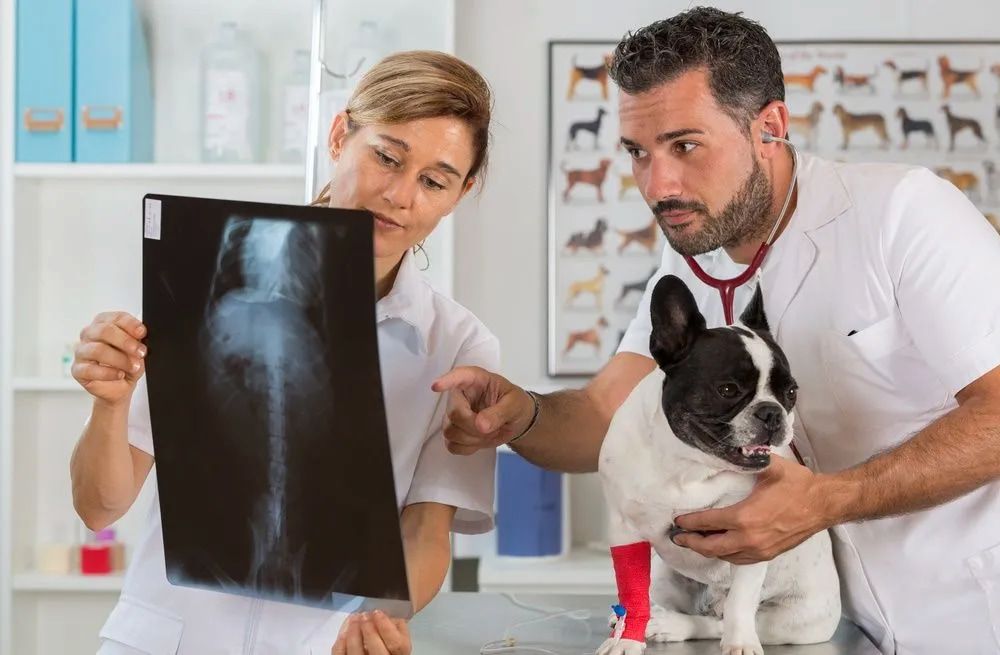

Diagnosing Injuries with Pet X-Ray
When a pet is injured or showing unusual symptoms, diagnostic imaging can help veterinarians understand what may be happening internally. At Blue & White Vet Surgery in Woolgoolga, we provide pet X-rays and radiology to help investigate a range of injuries and health concerns.
X-ray imaging allows our team to view bones, joints and certain internal structures that cannot be fully assessed during a physical examination. This technology can help identify fractures, swallowed objects or structural changes that may be affecting a pet’s health. By reviewing these images, we can gather important information to guide further diagnosis and treatment. We may recommended this when pets show signs such as:
- Limping, swelling or suspected bone injuries
- Symptoms suggesting internal issues affecting the chest or abdomen
X-ray imaging provides valuable insight into many common health concerns seen in pets. The images captured during the scan help our team to assess bone structure, evaluate joint problems and detect foreign objects. Radiology may also be used to monitor healing following injury or treatment. For any questions, contact our team at Blue & White Vet Surgery on (02) 6654 2771.

Imaging That Helps Guide Veterinary Care
Radiology plays an important role in veterinary diagnostics by helping clinicians examine parts of the body that cannot be seen externally. During an X-ray, a controlled amount of radiation is used to produce images of bones, joints and some internal organs. These images help veterinarians identify fractures, joint abnormalities or structural changes that may explain a pet’s symptoms. Because X-rays can be performed quickly, they are often used when pets require prompt assessment following an injury.
Diagnostic imaging may also assist veterinarians in determining whether further tests or treatments are needed. If your pet has experienced trauma or is showing signs of illness that require further investigation, radiology can provide useful insight. Explore our services or contact our team to learn more about available diagnostic care options.
Digital Imaging Technology
Diagnostic Support
Gentle Patient Handling

Contact Us
Have a question about your pet’s health or need to schedule a check-up? Complete the form below and our team will get back to you soon.
Contact Us
Thank you for contacting Blue & White Vet Surgery.
We will be in touch soon.
Please try again later.

FAQ
What conditions can a pet X-ray help diagnose?
Pet X-rays are commonly used to examine bones, joints and certain internal structures. Veterinarians may use them to identify fractures, joint injuries or abnormalities affecting the skeleton. X-rays can also help detect swallowed objects, changes in the chest or signs of certain internal conditions. Because the images show structures inside the body, they provide valuable information that may not be visible during a physical examination. This can help guide further testing or treatment decisions.
When might a veterinarian recommend radiology for a pet?
Radiology is often recommended when a pet shows symptoms that require closer investigation. Limping, swelling, breathing difficulties or unexplained pain may prompt a veterinarian to suggest X-ray imaging. It may also be used after an injury to check for fractures or internal damage. In some cases, radiology helps monitor ongoing health conditions or assess healing following treatment. The information gathered from imaging helps veterinarians better understand the pet’s condition.
Do pets need sedation for an X-ray examination?
Many pets can undergo an X-ray while awake, provided they are able to remain still during the imaging process. Clear images are important for accurate interpretation, so gentle restraint may be used to help position the pet correctly. In some situations, mild sedation may be recommended if a pet is anxious, uncomfortable or in pain. Sedation can help ensure the procedure is performed safely and efficiently. The decision will depend on the individual pet and the type of examination required.



