
Animal Surgery in Woolgoolga
Providing veterinary care in Woolgoolga, with experienced clinicians, modern diagnostic equipment and clear guidance to support your pet’s health at every stage.
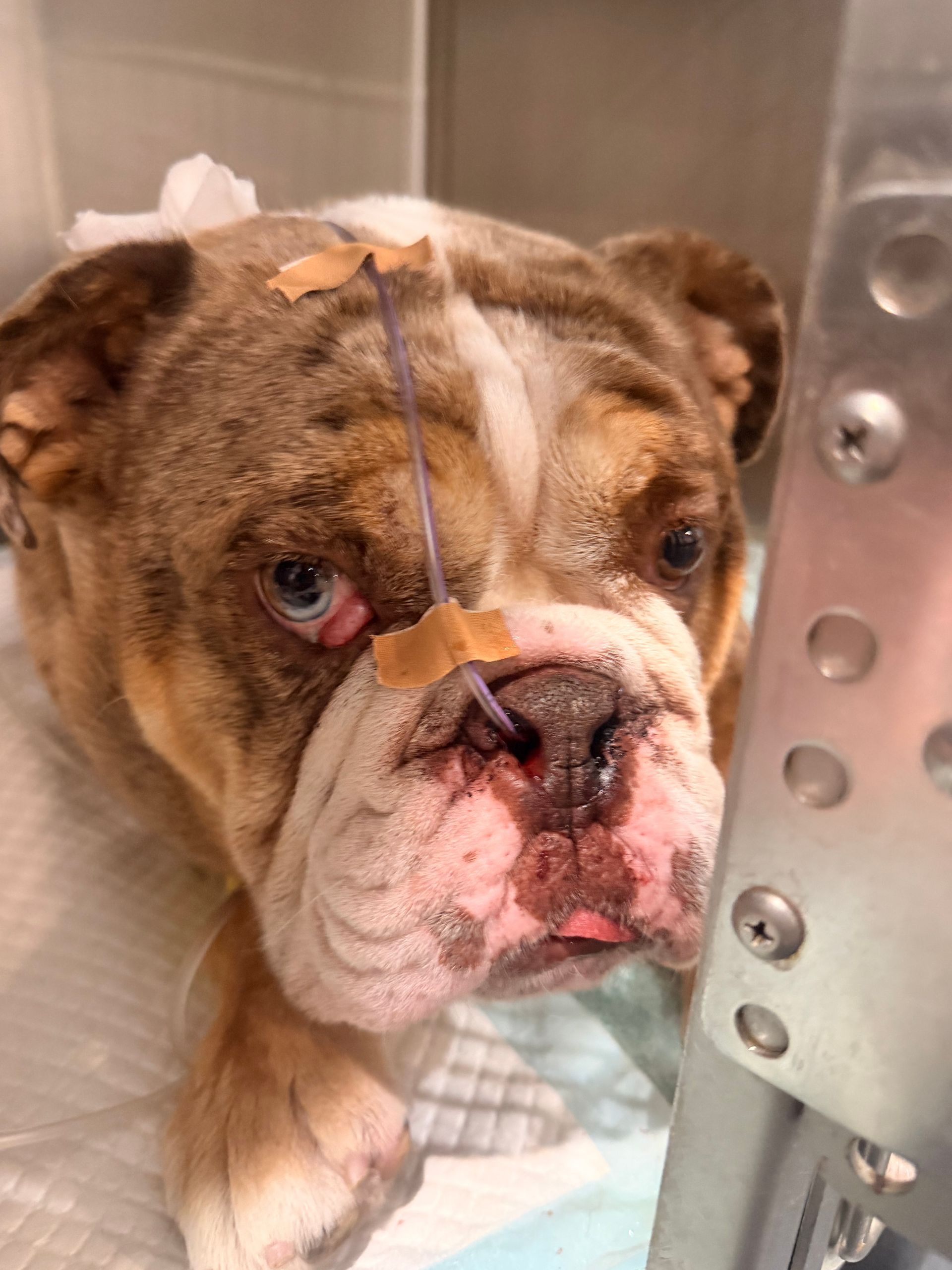

Surgical Care for Internal Conditions
Some health concerns in pets cannot be managed with medication or routine treatment alone. At Blue & White Vet Surgery in Woolgoolga, we provide animal surgery services to help treat a wide range of conditions affecting organs, skin and internal tissues.
Soft tissue procedures focus on areas of the body that do not involve the bones or joints, allowing veterinarians to address medical issues that may be impacting a pet’s comfort or overall health. These surgeries may be recommended when pets develop lumps, injuries or internal conditions that require surgical treatment. Careful assessment and planning help determine whether surgery is the most appropriate option for each pet.
Soft tissue surgery may be recommended in situations such as:
- Removal of lumps, growths or abnormal tissue
- Treatment of wounds or internal medical concerns
Before any procedure, we assess the pet’s overall health to ensure they are suitable for surgery and to plan the safest approach. Throughout the procedure, pets are closely monitored to support their comfort and safety. After surgery, we offer owners guidance on recovery and aftercare so pets can heal comfortably at home. To arrange a consultation, contact us on (02) 6654 2771 to book an appointment.

Procedures That Support Your Pet’s Recovery
Soft tissue surgery covers a wide variety of procedures used to diagnose or treat medical conditions in pets. These may include removing abnormal tissue, repairing wounds, performing biopsies or exploring internal organs to better understand an illness. Surgical treatment is often recommended when diagnostic tests indicate that a condition may not resolve through medical management alone. By carefully evaluating each case, our veterinarians can recommend treatment options that support the pet’s health and comfort.
Recovery and aftercare are an important part of any surgical procedure. Veterinary teams typically provide clear instructions on wound care, activity restrictions and follow-up appointments to monitor healing. If your pet has been diagnosed with a condition that may require surgery, exploring available treatment options can help you make informed decisions about their care.
Careful Surgical Planning
Advanced Equipment
Recovery Support

Contact Us
Have questions about surgical care for your pet or need to arrange a consultation? Complete the form below and our team will get back to you shortly.
Contact Us
Thank you for contacting Blue & White Vet Surgery.
We will be in touch soon.
Please try again later.

FAQ
What is soft tissue surgery in animals?
Soft tissue surgery refers to procedures involving parts of the body other than the bones and joints. This can include organs, skin, glands and internal tissues. Veterinarians may recommend these procedures to treat conditions such as wounds, internal injuries, growths or diseases affecting internal organs. Some surgeries are planned to treat ongoing health issues, while others may be performed to investigate symptoms or obtain diagnostic samples. These procedures are typically carried out under general anaesthesia with careful monitoring throughout the surgery.
What conditions may require soft tissue surgery for pets?
Soft tissue surgery may be recommended for a variety of medical conditions. Common examples include the removal of lumps or growths, treatment of wounds or abscesses and procedures involving organs such as the bladder or intestines. In some cases, surgery may also be used to investigate internal health concerns when other diagnostic methods have not provided clear answers. The decision to perform surgery usually follows a veterinary examination and diagnostic testing. These assessments help determine whether surgical treatment may be appropriate for the pet’s condition.
How long does it usually take for a pet to recover from soft tissue surgery?
Recovery times can vary depending on the type of procedure and the pet’s overall health. Many pets require a period of rest and restricted activity to allow the surgical site to heal properly. Veterinarians often provide guidance on wound care, medication and signs to monitor during recovery. Follow-up appointments may also be recommended to check that healing is progressing as expected. With appropriate aftercare and monitoring, many pets gradually return to their normal routines.



