
Orthopaedic Vet in Woolgoolga
Providing veterinary care in Woolgoolga, with experienced clinicians, modern diagnostic equipment and clear guidance to support your pet’s health at every stage.
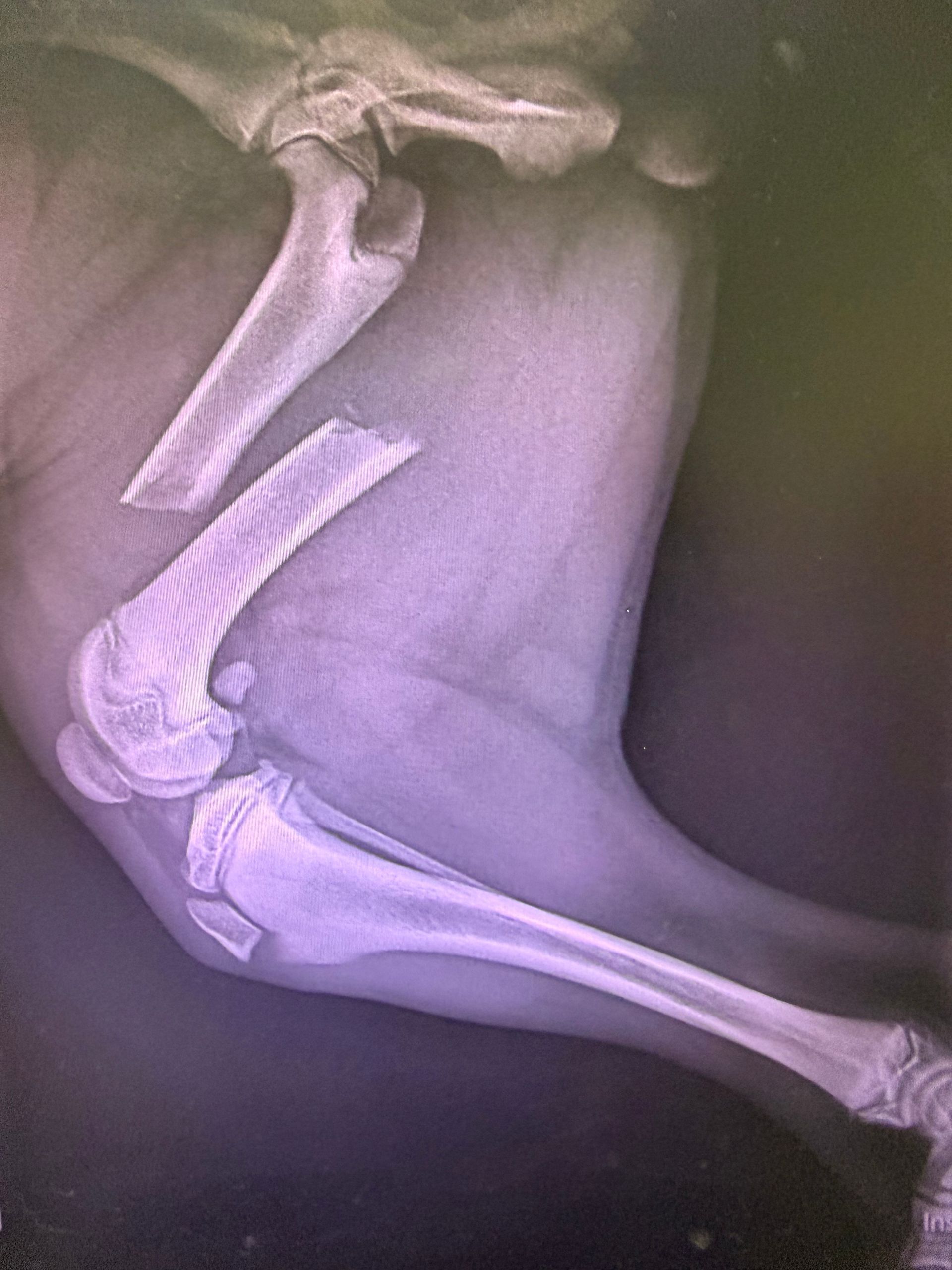

Supporting Pets with Mobility Problems
When a pet develops a problem affecting their bones, joints or ligaments, everyday activities such as walking, jumping or playing can become uncomfortable. At Blue & White Vet Surgery in Woolgoolga, our team provides care with orthopaedic vet services to help assess injuries and conditions affecting your pet’s movement.
Orthopaedic veterinary care focuses on identifying the cause of mobility issues and determining treatment options that may support recovery. Whether a pet has experienced trauma, developed joint instability or is showing signs of long-term stiffness, careful examination helps guide the next steps in care. With veterinary support, many pets are able to regain comfort and return to their normal routines.
Pet owners often seek orthopaedic veterinary care for concerns such as:
- Fractures, ligament injuries or joint instability
- Ongoing limping, stiffness or reduced mobility
Orthopaedic consultations typically involve evaluating how a pet moves, examining affected areas and reviewing their health history. In some situations, diagnostic imaging may be recommended to gain a clearer understanding of the underlying issue. This information helps veterinarians recommend treatment options suited to the pet’s condition. To arrange a consultation with an orthopaedic vet in Woolgoolga, contact Blue & White Vet Surgery on (02) 6654 2771 to book an appointment.

Treatment Plans That Support Recovery
Orthopaedic veterinary care focuses on helping pets recover from injuries and manage conditions that affect bones and joints. During an assessment, our veterinarians may examine joint stability, muscle condition and overall mobility to understand how the problem is affecting your pet’s movement. Conditions affecting the musculoskeletal system can range from sudden injuries to ongoing joint issues that develop gradually over time. Identifying these concerns early can help guide treatment that supports comfort and mobility.
Treatment approaches may vary depending on the condition and the individual pet. Some pets may require surgical intervention, while others may benefit from supportive care, rest or lifestyle adjustments that reduce strain on affected joints. If your pet is experiencing discomfort while moving or showing signs of reduced mobility, exploring orthopaedic veterinary care can help identify appropriate next steps.
Joint Health Focus
Careful Assessments
Mobility Support Plans

Contact Us
Have questions about your pet’s mobility or need to arrange a consultation? Complete the form below and our team will respond as soon as possible.
Contact Us
Thank you for contacting Blue & White Vet Surgery.
We will be in touch soon.
Please try again later.

FAQ
What does an orthopaedic vet treat in pets?
An orthopaedic veterinarian focuses on conditions affecting a pet’s bones, joints, ligaments and muscles. These issues may include fractures, ligament injuries, joint instability and developmental problems that affect mobility. Some pets may also experience long-term joint conditions such as arthritis or hip dysplasia. Orthopaedic assessments help determine the cause of pain or movement problems. Based on the findings, veterinarians can recommend appropriate treatment or management options.
What signs might indicate a pet needs orthopaedic care?
Changes in the way a pet moves are often the first sign that orthopaedic care may be needed. Limping, stiffness, difficulty standing up or reluctance to jump or climb stairs can all indicate potential joint or bone problems. Some pets may also show signs of discomfort after exercise or become less active than usual. Swelling around a joint or visible injury may also require veterinary attention. If mobility changes persist, a veterinary examination can help identify the underlying cause.
How are orthopaedic problems in pets diagnosed?
Diagnosing orthopaedic problems usually begins with a detailed physical examination. Veterinarians often observe how the pet walks, stands and moves to assess mobility and joint function. Palpation of the limbs and joints may help identify areas of pain, swelling or instability. In many cases, diagnostic imaging such as X-rays is used to gain a clearer view of bones and joint structures. These assessments help determine the most appropriate treatment approach.



