
Pet Vaccination in Woolgoolga
Providing veterinary care in Woolgoolga, with experienced clinicians, modern diagnostic equipment and clear guidance to support your pet’s health at every stage.
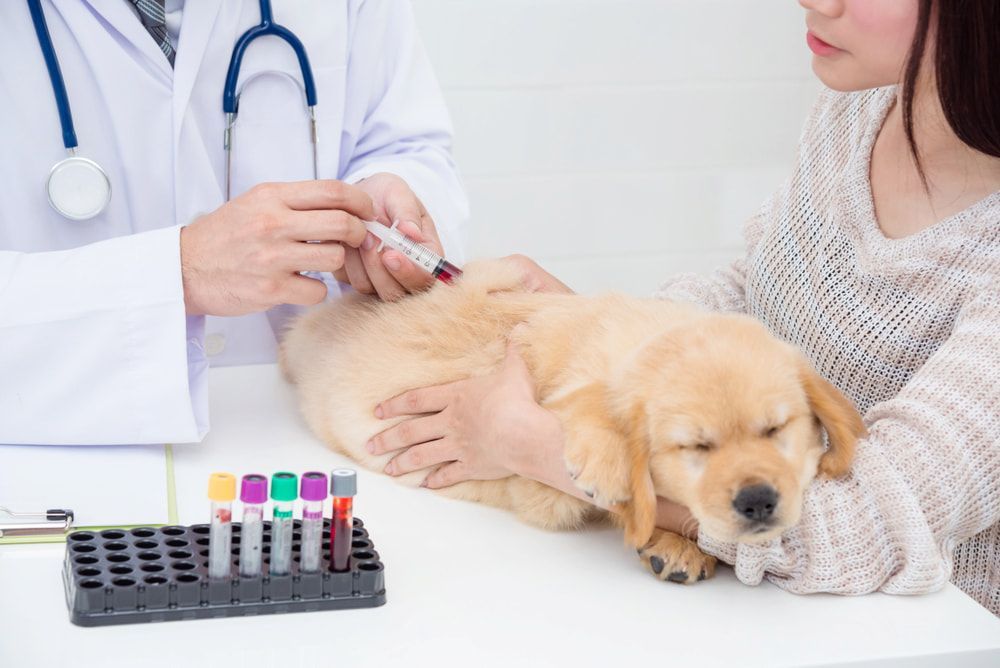
Protecting Your Pet Through Vaccination
Keeping pets protected from preventable diseases is an important part of responsible pet ownership. At Blue & White Vet Surgery, we provide pet vaccines in Woolgoolga to help safeguard the health of dogs and cats throughout their lives. Vaccinations support the immune system by preparing it to respond to certain infectious diseases pets may encounter.
During vaccination appointments, our veterinarians also check your pet’s general health to ensure they are well enough for the vaccine and to monitor their overall condition. This allows vaccinations to form part of a broader preventative care plan designed to support long-term well-being. Pet vaccinations can offer several key reasons:
- Protection against common infectious diseases that can affect dogs & cats
- Vaccination schedules tailored to your pet’s age, lifestyle & risk factors
Vaccination programs usually begin when pets are young and continue with booster doses throughout adulthood. The timing and type of vaccines may vary depending on the animal’s environment, travel and general health history. Regular veterinary guidance helps ensure your pet remains appropriately protected over time. To book a pet vaccine, contact Blue & White Vet Surgery on
(02) 6654 2771 to arrange an appointment.

Why Vaccinations Matter for Pet Health
Vaccinations play an important role in helping to reduce the spread of certain infectious diseases that can affect pets. Some illnesses can be serious and may spread through contact with other animals, contaminated environments or shared spaces such as parks and boarding facilities. Vaccination helps prepare the immune system to recognise and respond to these threats more effectively. While no preventative measure eliminates risk entirely, maintaining recommended vaccination schedules can significantly lower the likelihood of pets developing certain diseases.
Regular vaccination visits also allow our veterinarians to monitor a pet’s health and ensure preventative care remains up to date. If you would like guidance on protecting your pet’s health through vaccination, explore our services or contact our team to learn more.
Preventative Pet Protection
Tailored Care Plans
Local Veterinary Team

Contact Us
Have a question about vaccinations or need to arrange an appointment? Complete the form below and our team will respond as soon as possible.
Contact Us
Thank you for contacting Blue & White Vet Surgery.
We will be in touch soon.
Please try again later.

FAQ
When should puppies and kittens start their vaccinations?
Puppies and kittens usually begin their vaccination schedule at a young age, often starting around six to eight weeks old. Early vaccinations help protect young animals while their immune systems are still developing. These initial vaccines are typically given as a series over several visits to build stronger immunity. The exact schedule may vary depending on the animal’s health, environment and veterinary guidance. A veterinarian can recommend an appropriate vaccination timeline based on the individual pet.
Do adult pets still need vaccinations?
Many adult pets require booster vaccinations to maintain protection against certain diseases. Immunity from earlier vaccinations may decrease over time, which is why boosters are often recommended at specific intervals. The timing and type of booster vaccines can depend on the pet’s lifestyle, age and level of exposure to other animals. During routine veterinary visits, vaccination history may be reviewed to determine whether boosters are appropriate. Maintaining recommended boosters helps support ongoing disease prevention.
What should pet owners expect after a vaccination appointment?
Most pets recover quickly after receiving a vaccine and continue their normal activities shortly afterward. Some animals may experience mild, temporary effects such as slight tiredness or tenderness at the injection site. These reactions generally resolve within a short period. Pet owners are often advised to monitor their animal after vaccination and contact a veterinarian if unusual symptoms occur. Veterinary guidance can help determine whether any follow-up care is needed.



